

Understanding Tankless Toilets: A Modern Solution for Efficient Bathrooms
Release time:
2025-03-26
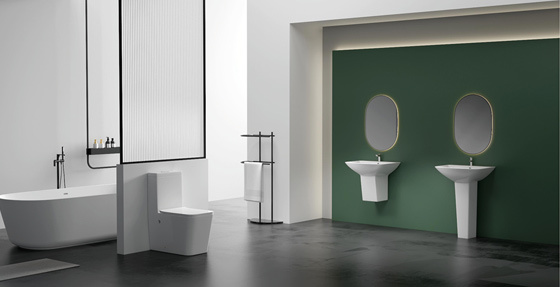
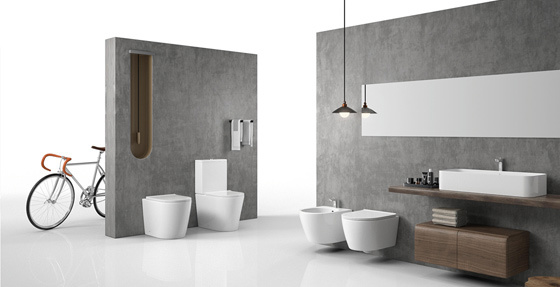
Tankless toilets, also known as wall-mounted or compact toilets, are revolutionizing the way we think about bathroom fixtures. Unlike traditional toilets that rely on a tank to hold water for flushing, tankless models utilize a direct connection to the water supply, allowing for a more streamlined design and improved functionality. This article will explore the essential features, benefits, and co

One of the most significant advantages of tankless toilets is their space-saving design. Without a bulky tank, these toilets can be installed closer to the wall, freeing up floor space and providing a clean, modern aesthetic. This feature is especially beneficial in small bathrooms or powder rooms, where maximizing space is a priority. Additionally, the sleek appearance of tankless toilets can enhance the overall style and appeal of a bathroom.
Another important benefit is the efficiency of tankless toilets. These units generally use less water per flush compared to traditional toilets, making them an eco-friendly choice. Many tankless models operate on a dual-flush system, allowing users to select between a low-volume flush for liquid waste and a higher-volume flush for solid waste. This dual system not only conserves water but also promotes sustainability in water use—an increasingly relevant concern for homeowners and builders alike.
In terms of installation, tankless toilets can offer greater flexibility. Since they don’t require a tank, plumbers can position them in a manner that maximizes both form and function, allowing for creative bathroom layouts. However, it's essential to consider that the installation may require modifications to existing plumbing systems, which can impact project timelines and costs.
Maintenance of tankless toilets can be simpler as well. With fewer components than traditional toilets, there are fewer parts that could potentially fail or require repairs. Regular cleaning and occasional checks of the plumbing connections can ensure optimal performance.
Despite the many advantages, it is crucial to consider the specific needs of your project when choosing a tankless toilet. Factors such as water pressure, plumbing configuration, and the overall design of the bathroom will influence the effectiveness of these units. Consulting with professionals in the industry can provide valuable insights and guidance tailored to your particular situation.
In conclusion, tankless toilets represent a modern solution for efficient bathroom design, combining aesthetics, functionality, and eco-friendliness. As they gain popularity in new constructions and renovations, understanding their benefits and considerations will be essential for anyone involved in the building and decor materials industry. By embracing this innovative technology, you can offer clients a bathroom solution that is not only stylish but also practical and sustainable.
Related news
Introduction to the selection points of children's toilets
Children's toilets, the whole size and adult toilets are different, the main thing is width and height.
2025-01-09
What is the difference between a split toilet and a split toilet?
The main characteristics of the split toilet are high water level, strong impulse, low price, and many styles.
2025-01-09
GET A FREE CONSULTATION
Do you have anyquestions?
We' ll get back to you.
For inquiries about our products, please leave your E-mail and we will be in touch within 24 hours.
Address: Guxiang industry area, guxiang. Chaozhou.Guangdong. China.
Mob/Wechat/Whatsapp:+86-13413723499


Yoyo
Jessica
Website