

Exploring the Benefits and Features of Tankless Toilets
Release time:
2025-03-16
In recent years, tankless toilets have gained popularity in the realm of bathroom fixtures, offering a sleek and modern alternative to traditional models. Unlike conventional toilets that rely on a large water tank to flush waste, tankless toilets utilize a direct water supply system, which not only saves space but also provides several advantages for homeowners. One of the most significant benefi

One of the most significant benefits of tankless toilets is their compact design. With no bulky tank to accommodate, these toilets can be installed in tight spaces, making them an excellent choice for small bathrooms or powder rooms. This space-saving feature allows for greater flexibility in design, enabling homeowners to create a more open and airy atmosphere in their bathrooms.
Another notable advantage of tankless toilets is water efficiency. Traditional toilets can use up to 1.6 gallons of water per flush, whereas tankless models typically use considerably less. Many tankless toilets are designed to use dual-flush technology, allowing users to choose between a full or reduced flush, further conserving water and promoting sustainability. This efficiency not only benefits the environment but can also lead to lower water bills—an appealing prospect for many homeowners.
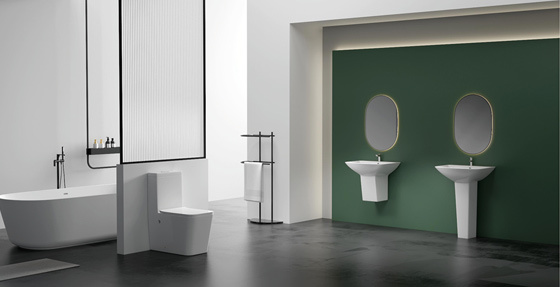
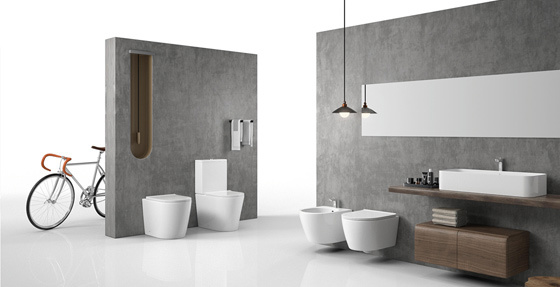
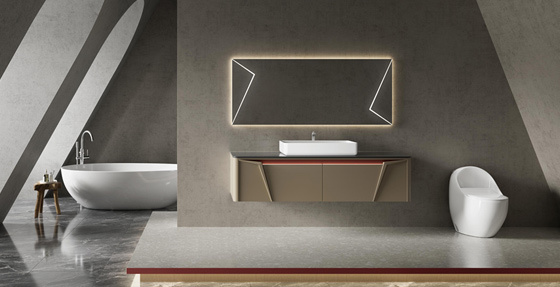
In addition to their space and water-saving benefits, tankless toilets offer a more aesthetically pleasing look. These toilets often feature modern designs that can enhance the overall aesthetic of a bathroom. The absence of a visible tank contributes to a clean and minimalist appearance, making tankless options a popular choice for contemporary or luxury bathroom designs.
Maintenance is another consideration when it comes to tankless toilets. Since these toilets do not have a tank, they are generally easier to clean and maintain. There are fewer nooks and crannies where dirt and grime can accumulate, making regular cleaning a more straightforward task. This ease of maintenance can be a significant advantage for busy households.
Furthermore, tankless toilets can improve hygiene. The lack of a tank means that there is less likelihood of water stagnating, which can occur in traditional toilets. This can help to reduce bacteria growth and ensure that the bathroom remains a clean and safe environment.
However, it is essential for potential buyers to consider the installation process. Tankless toilets may require specific plumbing configurations and might not be suitable for all homes, especially older properties with existing plumbing systems. Therefore, consulting with a professional during the planning stage is crucial to ensure the chosen model aligns with the existing infrastructure.
In conclusion, tankless toilets represent a modern, efficient, and stylish option for bathroom fixtures. With their compact design, water-saving capabilities, and ease of maintenance, they offer numerous benefits that can enhance the bathroom experience for homeowners. As more individuals seek to optimize their living spaces for both functionality and aesthetics, tankless toilets are likely to remain a popular choice in the world of bathroom design.
Related news
Introduction to the selection points of children's toilets
Children's toilets, the whole size and adult toilets are different, the main thing is width and height.
2025-01-09
What is the difference between a split toilet and a split toilet?
The main characteristics of the split toilet are high water level, strong impulse, low price, and many styles.
2025-01-09
GET A FREE CONSULTATION
Do you have anyquestions?
We' ll get back to you.
For inquiries about our products, please leave your E-mail and we will be in touch within 24 hours.
Address: Guxiang industry area, guxiang. Chaozhou.Guangdong. China.
Mob/Wechat/Whatsapp:+86-13413723499


Yoyo
Jessica
Website