

Transform Your Bathroom with a Conceal Cistern: The Ultimate Guide
Release time:
2025-03-15
Transform Your Bathroom with a Conceal Cistern: The Ultimate Guide Table of Contents Introduction: The Appeal of Concealed Cisterns What is a Conceal Cistern? Benefits of Conceal Cisterns in Bathroom Design Installation Process: How to Install a Conceal Cistern Choosing the Right Conceal Cistern for Your Bathroom Maintenance and Care: Keeping Your Conceal Cistern in Top Condition De

Transform Your Bathroom with a Conceal Cistern: The Ultimate Guide
Table of Contents
- Introduction: The Appeal of Concealed Cisterns
- What is a Conceal Cistern?
- Benefits of Conceal Cisterns in Bathroom Design
- Installation Process: How to Install a Conceal Cistern
- Choosing the Right Conceal Cistern for Your Bathroom
- Maintenance and Care: Keeping Your Conceal Cistern in Top Condition
- Design Ideas for Bathrooms with Conceal Cisterns
- Frequently Asked Questions (FAQs)
- Conclusion: Elevate Your Bathroom Experience
Introduction: The Appeal of Concealed Cisterns
Conceal cisterns have revolutionized modern bathroom design by merging aesthetics with functionality. These innovative systems hide the toilet's plumbing and tank behind walls, offering a clean and minimalist look. As we explore the transformative power of conceal cisterns, we will delve into their benefits, installation, and maintenance, making this guide an essential resource for anyone considering a bathroom remodel.
What is a Conceal Cistern?
A **conceal cistern**, also known as a hidden cistern or wall-mounted cistern, is a component of a toilet system designed to be installed within the wall, rather than being visible as a traditional toilet tank. This system is typically constructed from high-quality materials like plastic or metal and includes the necessary plumbing and flushing mechanism. Conceal cisterns not only provide a modern aesthetic but also save valuable bathroom space, making them a popular choice in contemporary designs.
The Components of a Conceal Cistern
Understanding the basic components of a conceal cistern can help homeowners appreciate its functionality. The system generally includes:
- **Cistern Tank**: The water storage component that flushes the toilet.
- **Flush Mechanism**: This includes buttons or levers that activate the flush.
- **Pipework**: This connects the cistern to the toilet and the water supply.
- **Support Frame**: A sturdy structure that holds the cistern in place within the wall.
Benefits of Conceal Cisterns in Bathroom Design
Choosing a conceal cistern over a traditional toilet design comes with a plethora of advantages. Here are some compelling reasons to make the switch:
1. Sleek and Modern Aesthetics
Conceal cisterns offer a **clean and uncluttered look** that complements modern design trends. By hiding the tank and plumbing, bathrooms can achieve a streamlined appearance, enhancing the overall decor.
2. Space Efficiency
For smaller bathrooms, maximizing space is crucial. Conceal cisterns allow for more flexibility in layout, making it easier to design a functional space without sacrificing style.
3. Easy Cleaning
With fewer visible components, cleaning becomes a breeze. The absence of a traditional tank means fewer nooks and crannies for dust and grime to accumulate.
4. Enhanced Hygiene
Because the tank is hidden, there is a reduced risk of bacteria buildup on exposed surfaces, contributing to a cleaner and more hygienic bathroom environment.
5. Noise Reduction
Conceal cisterns are often quieter than traditional toilet tanks, thanks to their design and installation, which can minimize noise during flushing.
Installation Process: How to Install a Conceal Cistern
Installing a conceal cistern may seem daunting, but with the right tools and preparation, it can be accomplished effectively. Below is a step-by-step guide for installation.
Step 1: Gather Necessary Tools and Materials
Before starting, ensure you have the following:
- Conceal cistern kit
- Wall brackets
- Water supply pipe
- Tools (drill, screwdriver, wrench)
Step 2: Prepare the Wall
Choose a suitable location for the cistern. Ensure the wall is sturdy enough to support the weight of the unit. You may need to cut a recess in the wall to accommodate the cistern.
Step 3: Install the Cistern Frame
Secure the support frame to the wall using appropriate screws and brackets. Ensure it is level and firmly in place.
Step 4: Connect Plumbing
Connect the water supply pipe to the cistern and ensure all connections are tight to prevent leaks.
Step 5: Install the Toilet Bowl
Once the cistern is in place, attach the toilet bowl to the cistern outlet, following the manufacturer's instructions.
Step 6: Test the System
After installation, turn on the water supply and test the flush mechanism to ensure everything is working correctly.
Choosing the Right Conceal Cistern for Your Bathroom
Selecting the ideal conceal cistern involves considering several factors to ensure it meets your needs and design preferences.
1. Size and Dimensions
Make sure the dimensions of the cistern fit within your wall and align with your toilet bowl's requirements.
2. Flush Mechanism
Evaluate the types of flush mechanisms available, such as dual flush options, which can save water and promote efficiency.
3. Material Quality
Opt for a conceal cistern made from durable materials that can withstand regular use and resist corrosion and leaks.
4. Brand Reputation
Research reputable brands known for producing high-quality conceal cisterns. Customer reviews and recommendations can guide your decision.
5. Price and Warranty
Compare prices among various models, but also pay attention to warranty options, as a longer warranty can provide peace of mind regarding your investment.
Maintenance and Care: Keeping Your Conceal Cistern in Top Condition
To ensure your conceal cistern remains functional and visually appealing, regular maintenance is essential.
1. Regular Inspection
Periodically check for leaks or water buildup behind the wall. Address any issues promptly to prevent extensive damage.
2. Cleaning the Flush Mechanism
Over time, mineral buildup can affect the flush mechanism. Clean the flushing buttons and flush valve regularly with a damp cloth.
3. Check Water Supply Lines
Inspect water supply lines for signs of wear or damage. Replace any frayed or damaged lines to prevent leaks.
4. Professional Servicing
Consider hiring a plumber for annual inspections to ensure optimal performance and catch potential issues early.
Design Ideas for Bathrooms with Conceal Cisterns
Incorporating a conceal cistern into your bathroom opens up a world of design possibilities. Here are some creative ideas to inspire your renovation:
1. Minimalist Style
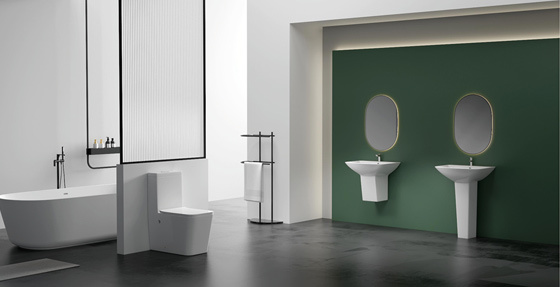
Emphasize clean lines and a clutter-free space with neutral colors. Pair your conceal cistern with wall-mounted faucets and sleek sinks for a cohesive look.
2. Bold Accents
Use vibrant tiles or statement fixtures to draw attention to the area around the conceal cistern, creating a striking focal point without sacrificing functionality.
3. Natural Materials
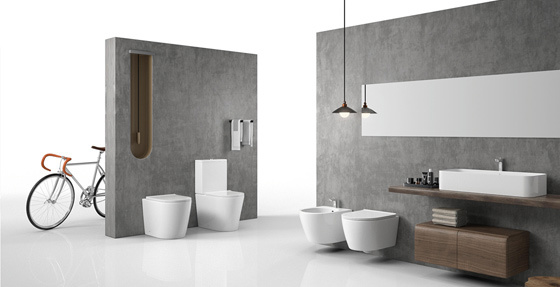
Integrate wood and stone elements to contrast with the modern cistern design, adding warmth and texture to your bathroom.
4. Smart Technology
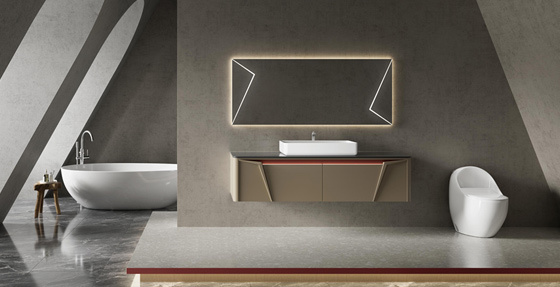
Explore smart toilet designs that integrate technology with the conceal cistern, offering features like automatic flushing and heated seats, elevating comfort and convenience.
5. Lighting Effects
Install ambient lighting to highlight the features of your bathroom while enhancing the overall atmosphere of relaxation and tranquility.
Frequently Asked Questions (FAQs)
1. How much does it cost to install a conceal cistern?
The cost of installation can vary widely based on the brand, model, and labor costs. On average, you might expect to pay between $300 to $800, including parts and labor.
2. Are conceal cisterns difficult to repair?
While accessible plumbing is hidden, most issues can be addressed by a qualified plumber. Routine maintenance can prevent significant repairs.
3. Can I install a conceal cistern in an existing bathroom?
Yes, a conceal cistern can be added to an existing bathroom, although it may involve modifications to the wall and plumbing.
4. Do conceal cisterns save water?
Many conceal cisterns feature dual flush mechanisms, allowing users to choose a lower flush volume, thereby reducing water consumption.
5. Are there specific toilets that work best with conceal cisterns?
Most modern toilets are compatible with conceal cisterns, but it's essential to check the specifications and compatibility before purchase.
Conclusion: Elevate Your Bathroom Experience
Transforming your bathroom with a conceal cistern not only enhances its aesthetic appeal but also improves functionality and efficiency. With their sleek design and space-saving dimensions, conceal cisterns are an excellent choice for modern bathrooms. By understanding the installation process, maintenance requirements, and design possibilities, you can create a bathroom that meets your lifestyle needs while exuding style and sophistication. Embrace the opportunity to elevate your bathroom experience with a conceal cistern today!
Related news
Introduction to the selection points of children's toilets
Children's toilets, the whole size and adult toilets are different, the main thing is width and height.
2025-01-09
What is the difference between a split toilet and a split toilet?
The main characteristics of the split toilet are high water level, strong impulse, low price, and many styles.
2025-01-09
GET A FREE CONSULTATION
Do you have anyquestions?
We' ll get back to you.
For inquiries about our products, please leave your E-mail and we will be in touch within 24 hours.
Address: Guxiang industry area, guxiang. Chaozhou.Guangdong. China.
Mob/Wechat/Whatsapp:+86-13413723499


Yoyo
Jessica
Website